
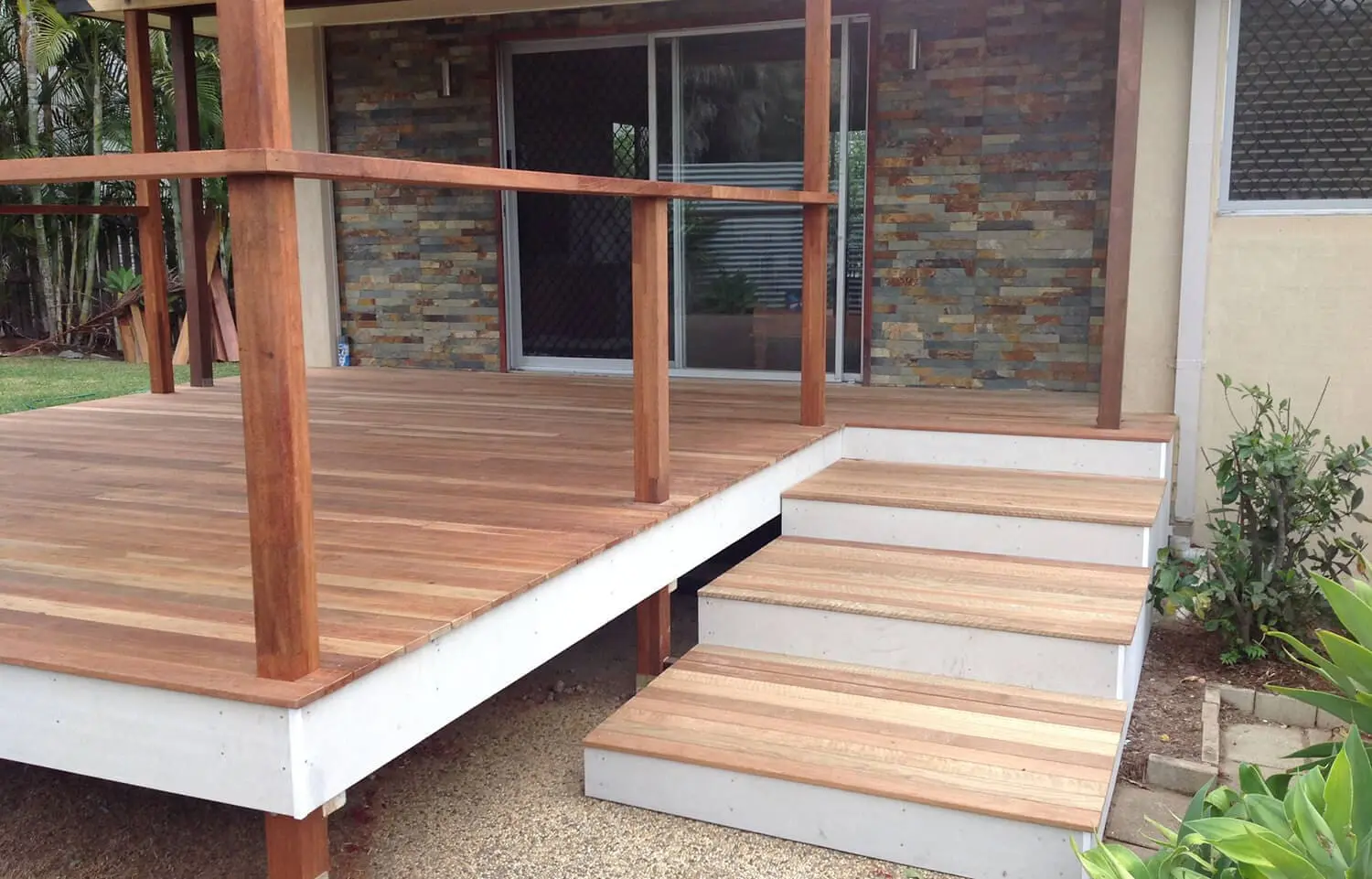
01 — Whole-home work
What a renovation with us looks like
Most of the homes we work on were built for a different way of living: small closed-off kitchens, one bathroom, no connection to the yard. A renovation fixes the plan, not just the surfaces — and that means structural work, services and finishes all have to be sequenced properly.
We quote the whole job in writing before demolition starts, including the parts nobody enjoys paying for: footings, framing, waterproofing and making good. You deal with the builder on site, and variations get priced before they happen, not after.
What's included
- Extensions, second storeys and rear additions
- House raising, re-stumping and building in underneath
- Queenslander restoration, re-cladding and VJ linings
- Structural work: footings, framing, beams and openings
- Kitchens, bathrooms and laundries as part of the scope
- Full trade coordination — one point of contact
02 — How we do it
The parts that matter
Plans & approvals
We work with your drawings or point you to a draftsperson, and handle what the build side needs for approval.
Staged handover
Where you are living in the house, we stage the work so you keep a functioning kitchen and bathroom as long as possible.
Tidy sites
Dust protection, daily clean-up and safe access — your home stays livable and your neighbours stay friendly.
Written variations
If something changes once walls are open, you get the price and the reason before we proceed.
03 — Recent work
On the job
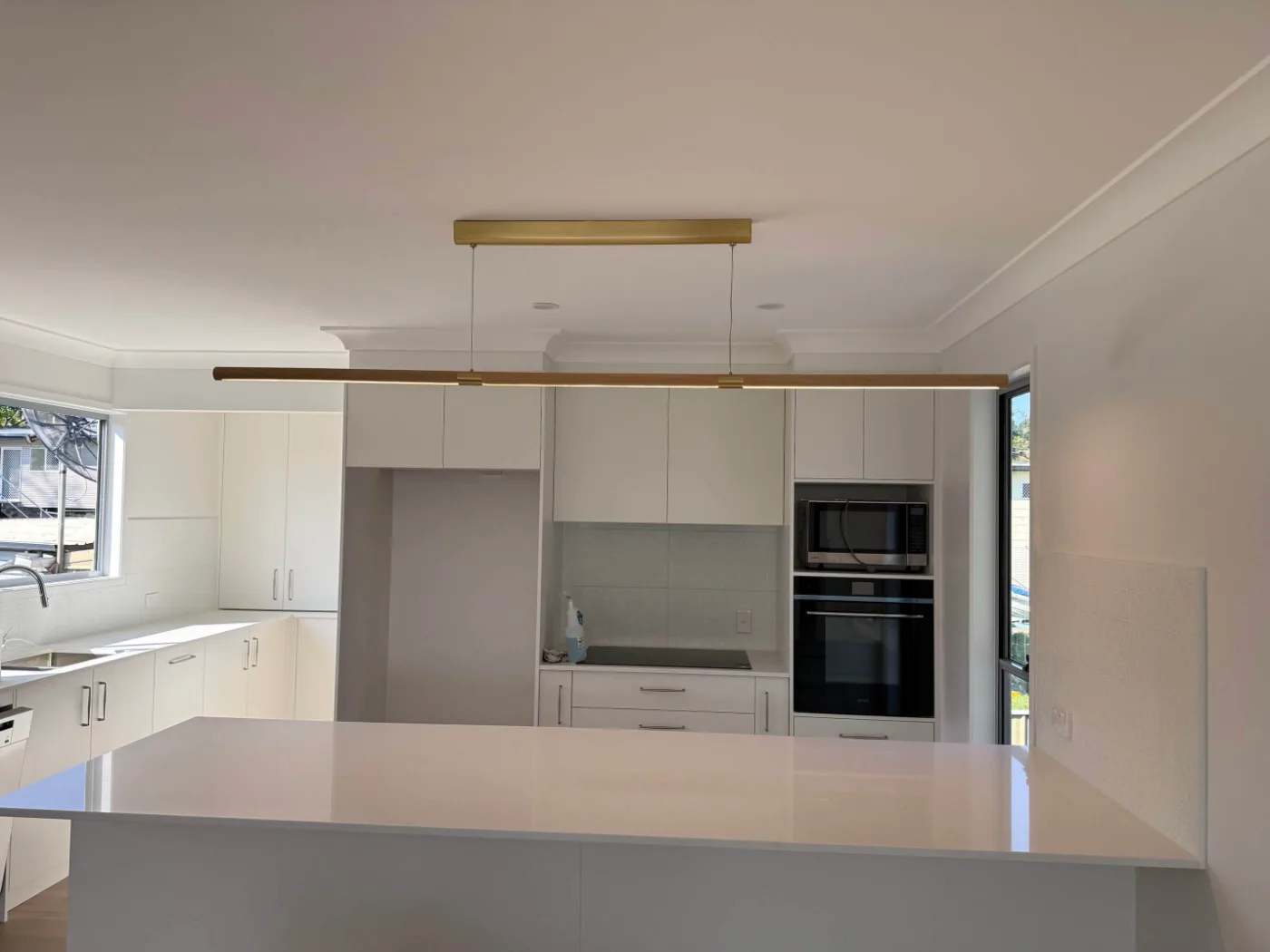

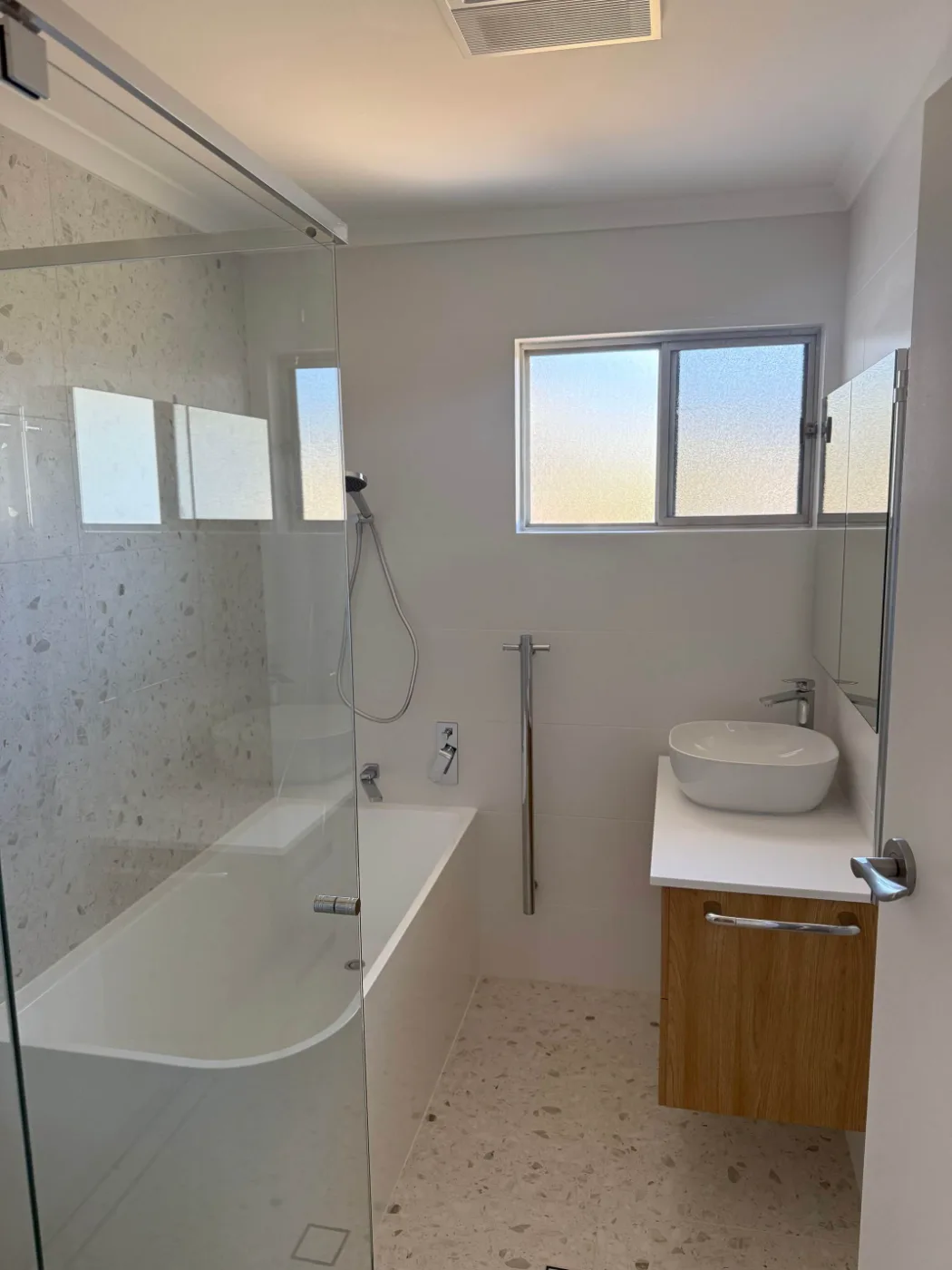
Do I need council approval for a renovation?
Structural changes, extensions, raises and most work that alters the building envelope need approval. Cosmetic work usually does not. We tell you which category your job falls into at the quote stage.
How long does a full renovation take?
A single-room renovation is typically a few weeks; an extension or raise runs to several months depending on approvals, weather and trade availability. You get an indicative program with your quote.
Can I live in the house during the work?
Often yes, and we plan the staging around it. For a raise or a large structural extension it is usually safer and faster to move out for part of the build.